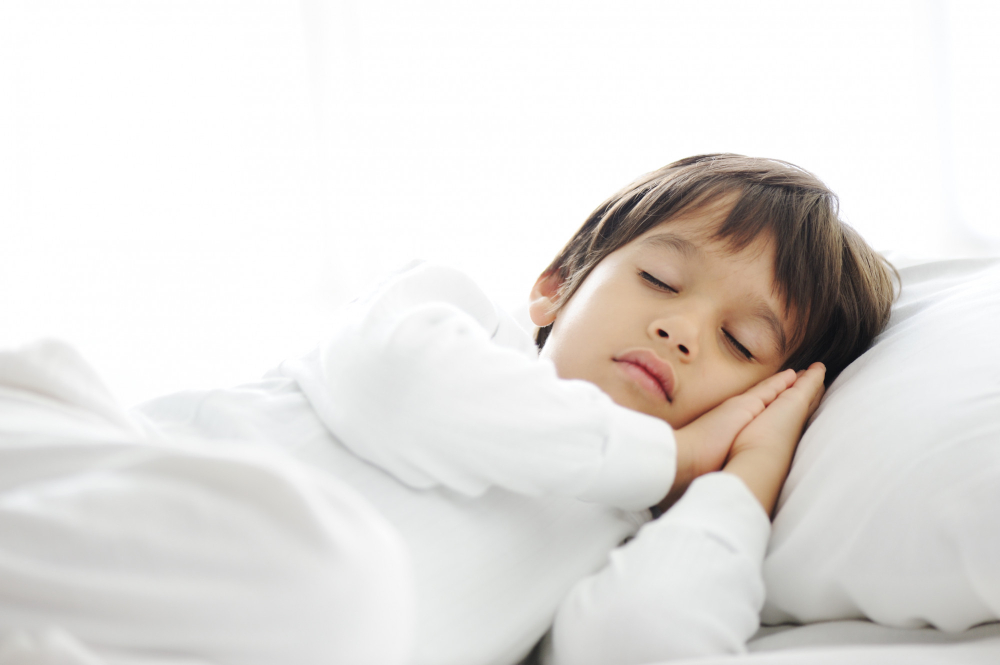
What Is Snoring in Children?
Snoring in children happens when air cannot move freely through the nose or throat during sleep. As a result, tissues in the airway vibrate and make a snoring sound. While many parents ask, “Why does my child snore at night?”, it is important to know that occasional snoring is common. However, regular snoring may signal a health issue. Early understanding helps you find the right child snoring solutions.
Common Causes of Snoring in Children
Several reasons can lead to snoring in kids. Knowing these child snoring causes can help you take the right steps. For example, some children snore due to:
In addition, some children snore because of sleep position or family history. But, if snoring is loud or happens most nights, it may need attention.
Symptoms and Signs to Watch For
Not all snoring is a problem. Still, some signs mean you should watch your child more closely. For instance, look for:
Moreover, if your child has trouble waking up or feels tired during the day, snoring may be affecting their sleep quality.
How Is Pediatric Snoring Diagnosed?
Doctors use several steps to find out why a child snores. First, they ask about your child’s sleep habits and health history. Next, they may examine your child’s nose, throat, and mouth. Sometimes, doctors suggest a sleep study. In this test, your child sleeps overnight at a clinic. Sensors check breathing, heart rate, and oxygen levels. This helps find problems like sleep apnea, which is a serious sleep disorder. According to the CDC, sleep studies are safe and give helpful answers for pediatric snoring treatment.
Treatment Options and Home Remedies
Treatment depends on the cause of snoring. For mild cases, simple steps at home may help. However, some children need medical care. Here are some common child snoring solutions:
Additionally, always follow your doctor’s advice before trying new treatments.
When to See a Pediatrician or Specialist
Sometimes, snoring is more than just a noise. If your child snores most nights, or if you notice pauses in breathing, see a pediatrician. Also, seek help if your child is very sleepy during the day or has behavior changes. Early care can prevent health problems and improve sleep. For severe cases, your doctor may refer you to a sleep specialist or an ear, nose, and throat (ENT) doctor.
Tips for Prevention and Healthy Sleep Habits
Good sleep habits can lower the risk of snoring. For example, you can:
Furthermore, teaching your child to sleep on their side may help reduce snoring.
Conclusion
Snoring in children can have various causes, from allergies to enlarged tonsils. For regular snoring or sleep concerns, consult Dr. Mrudula M, pediatrician, for personalized advice and care to help your child sleep better and stay healthy.