Introduction
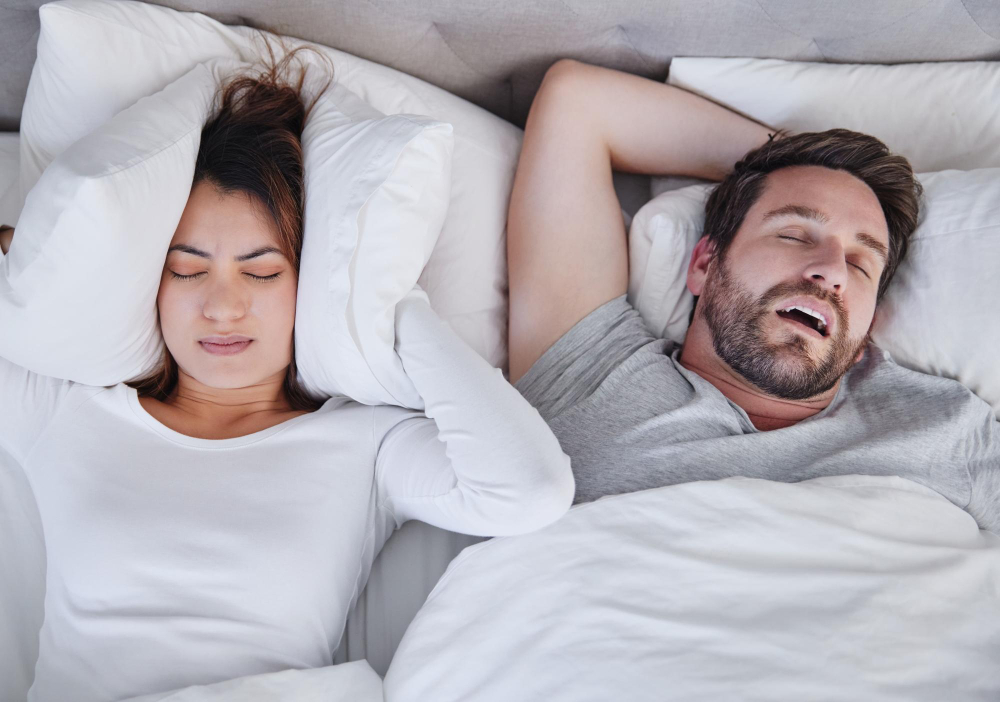
Many people think snoring is just a noisy habit. However, it can be a sign of something more serious. The phrase “Snoring Is Loud. Sleep Apnea Can Be Silent.” highlights an important truth. While loud snoring is easy to notice, sleep apnea often hides behind silent symptoms. Both are common sleep disorders, but they are not the same. Understanding the difference can help protect your health and improve your sleep.
What Is Snoring?
Snoring happens when air flows past relaxed tissues in your throat. These tissues vibrate and make a sound. For many, snoring is harmless. But sometimes, it can disturb your sleep or your partner’s rest. In some cases, snoring may point to a deeper problem, such as sleep apnea.
What Is Sleep Apnea?
Sleep apnea is a sleep disorder where breathing stops and starts during sleep. Often, people with sleep apnea do not know they have it. This is because the pauses in breathing can be silent. Even so, sleep apnea can cause poor sleep and health problems. There are two main types: obstructive sleep apnea and central sleep apnea. Obstructive sleep apnea is the most common type.
Key Differences Between Snoring and Sleep Apnea
Symptoms to Watch For
It is important to know the signs of both snoring and sleep apnea. While snoring is loud, sleep apnea can be silent. Watch for these symptoms:
Causes and Risk Factors
Several things can cause snoring or sleep apnea. Some risk factors include:
Even so, anyone can develop these problems. Children and women can also be affected.
Diagnosis and When to Seek Help
If you or a loved one snores loudly or shows signs of sleep apnea, it is important to see a doctor. Early diagnosis can prevent serious health issues. Doctors may ask about your sleep habits and health history. Sometimes, they may suggest a sleep study. This test checks your breathing, heart rate, and oxygen levels while you sleep. According to the CDC, untreated sleep apnea can raise the risk of heart disease, stroke, and high blood pressure.
Treatment Options
Treatment depends on the cause and severity. Common options include:
Your doctor will help you choose the best treatment for your needs.
Lifestyle Tips for Better Sleep
Simple changes can help reduce snoring and improve sleep. For example:
These tips can make a big difference in your sleep quality.
Prevention and Early Detection
Preventing sleep disorders starts with healthy habits. For instance, staying active and eating well can lower your risk. If you notice changes in your sleep or feel tired during the day, talk to your doctor. Early detection can prevent serious health problems. In addition, regular check-ups can help catch issues before they get worse.
Conclusion
Snoring is loud, but sleep apnea can be silent and dangerous. Knowing the signs and seeking help early can protect your health. If you suspect sleep apnea or have concerns about loud snoring, consult an ENT specialist Dr.Mrudula M for advice and care.