Introduction
Nasal valve surgery is a treatment for people with ongoing nasal blockage. Many people do not know that a weak or narrow nasal valve can cause breathing problems. Often, nasal valve surgery helps when other treatments for a blocked nose do not work. In this blog, you will learn about nasal valve surgery, its benefits, and what to expect. If you have trouble breathing through your nose, this information may help you find the right solution.
What is the Nasal Valve?
The nasal valve is a small area inside your nose. It controls how much air flows in and out. Because it is the narrowest part of the nose, even a small change can make breathing harder. For example, if the nasal valve becomes weak or collapses, you may feel like your nose is always blocked. Understanding the nasal valve is important for finding the best nasal obstruction solutions.
Symptoms of Nasal Valve Collapse
Nasal valve collapse can cause many symptoms. Sometimes, these symptoms are mistaken for allergies or sinus problems. However, knowing the signs can help you seek the right treatment. Common symptoms include:
But, if you notice these symptoms, you should talk to a doctor. Early treatment can improve your quality of life.
Causes of Nasal Valve Blockage
There are several reasons why the nasal valve may become blocked. Sometimes, it is due to the shape of your nose. Other times, injury or surgery can weaken the nasal valve. Common causes include:
Because these causes are common, many people may not realize their blocked nose is due to nasal valve collapse.
How Nasal Valve Surgery Works
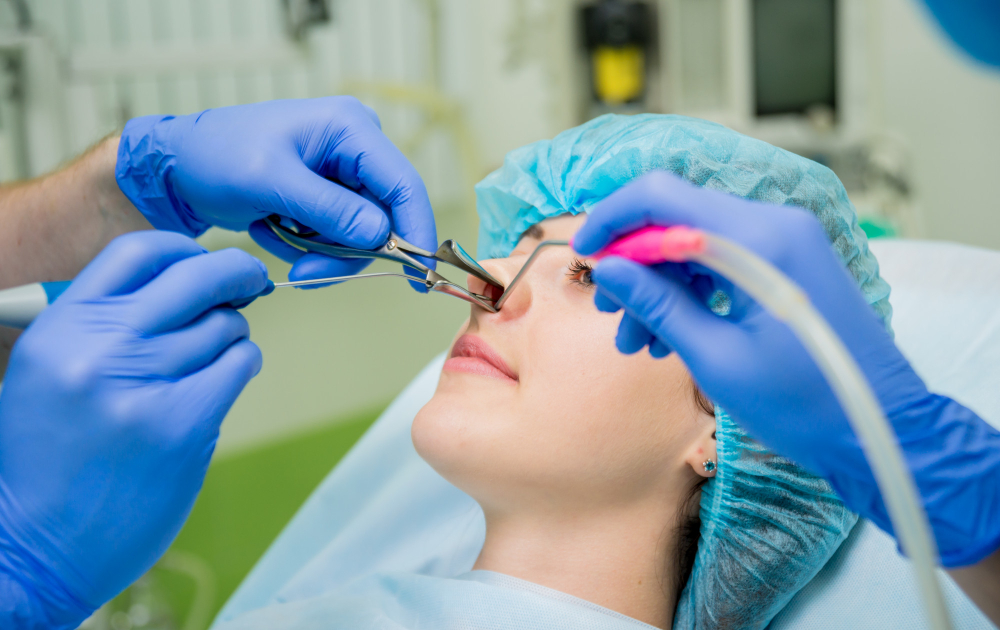
Nasal valve surgery is a procedure that opens the narrow part of your nose. First, the doctor checks your nose to find the problem area. Then, they may use small grafts or stitches to support the nasal valve. Sometimes, the surgery is done inside the nose, so there are no visible scars. In many cases, nasal valve surgery is done under local anesthesia, which means you are awake but do not feel pain. This blocked nose surgery can take less than an hour, and you may go home the same day.
Benefits and Risks of Nasal Valve Surgery
Nasal valve surgery offers many benefits, but it also has some risks. Knowing both can help you make an informed choice. Benefits include:
However, as with any surgery, there are risks. These may include:
But, most people recover well and enjoy lasting results. According to studies published in peer-reviewed journals, nasal valve collapse treatment is safe and effective for most patients.
Recovery and Aftercare Tips
After nasal valve surgery, you will need to follow some simple steps to heal well. Most people return to normal activities within a week. Here are some helpful aftercare tips:
Because proper care speeds up healing, always follow your doctor’s advice closely.
Prevention and Lifestyle Guidance
While some causes of nasal valve collapse cannot be prevented, you can take steps to protect your nose. For example, wearing a helmet during sports can prevent injury. Also, avoid overusing nasal sprays, as they can weaken nasal tissues. If you have allergies, managing them can help keep your nose healthy. Additionally, staying hydrated and using a humidifier may reduce dryness inside your nose. These simple habits can lower your risk of nasal obstruction.
Conclusion
Nasal valve surgery is an effective solution for many people with ongoing nasal blockage. If you have tried other treatments without success, this surgery may help. For those living in cities where nasal valve surgery is available, finding an experienced ENT specialist is important. If you think you may have nasal valve collapse, consult Dr. Mrudula M for personalized advice. Early treatment can help you breathe easier and improve your quality of life.