What Is Vestibular Rehabilitation?
Vestibular rehabilitation is a special type of physical therapy. It helps people who have problems with balance or dizziness. Many clinics offer vestibular rehabilitation near me, making it easy to find help. This therapy uses exercises to retrain the brain and body. As a result, people can improve balance naturally and reduce dizziness. Doctors and therapists often suggest this treatment for those with vestibular disorders.
How the Vestibular System Affects Balance
The vestibular system is inside the inner ear. It helps the brain know where your head and body are in space. Because of this, it plays a big role in balance and movement. When the vestibular system works well, you can walk, turn, and stand without feeling dizzy. However, if there is a problem, you may feel off-balance or unsteady.
Common Symptoms of Vestibular Disorders
Many people with vestibular disorders notice certain symptoms. For example, you might feel:
Sometimes, these symptoms come and go. Other times, they last for days or weeks. According to the CDC, dizziness is a common reason people visit the doctor, especially as they get older.
Causes and Risk Factors for Vestibular Imbalance
Several things can cause vestibular imbalance. For instance, you may have:
Additionally, some people are at higher risk. Older adults, people with a history of ear problems, and those with certain medical conditions may be more likely to develop balance issues.
How Vestibular Rehabilitation Works
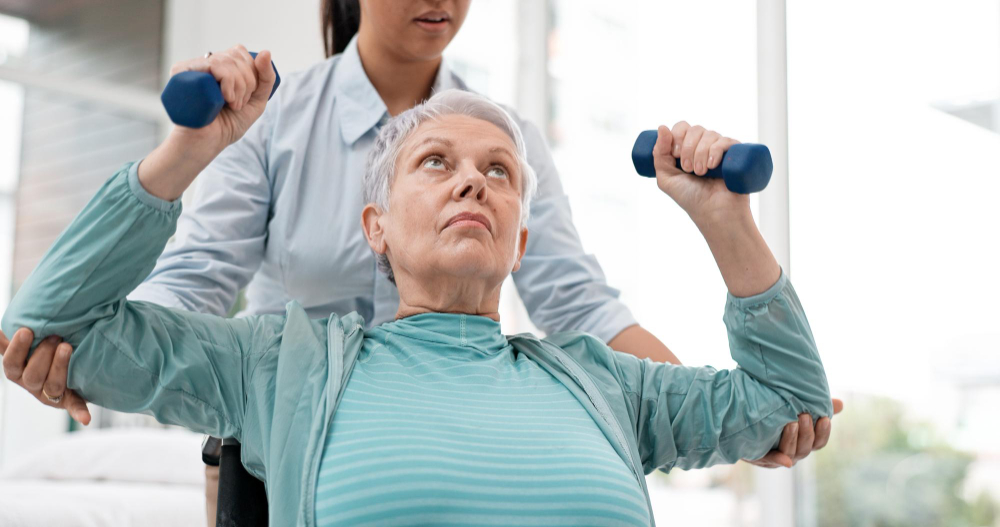
Vestibular rehabilitation uses special exercises to help the brain adjust. Because the brain can learn new ways to process balance signals, these exercises can make a big difference. Therapists guide patients through movements that challenge balance and coordination. Over time, the brain learns to rely on other senses, like vision and touch, to help with balance. This process is called balance retraining.
Typical Exercises and Therapy Techniques
Therapists use many techniques in vestibular rehabilitation. For example, they may include:
Each program is tailored to the person’s needs. As you progress, exercises may become more challenging. However, therapists always make sure activities are safe.
Benefits and Expected Outcomes of Rehabilitation
With regular practice, many people see big improvements. For instance, benefits may include:
According to the World Health Organization, balance retraining can help prevent falls, especially in older adults. Results may vary, but most people notice changes within a few weeks.
Tips for Daily Living and Lifestyle Adjustments
Even small changes can help you stay safe and active. For example, you can:
Additionally, staying active and moving every day supports your progress.
Prevention and Self-Care Strategies
There are steps you can take to lower your risk of vestibular problems. For instance:
Because early care can prevent problems from getting worse, talk to your doctor if you notice new symptoms. With the right support, you can improve balance naturally and enjoy daily life with more confidence. Consult Dr. Mrudula M now.