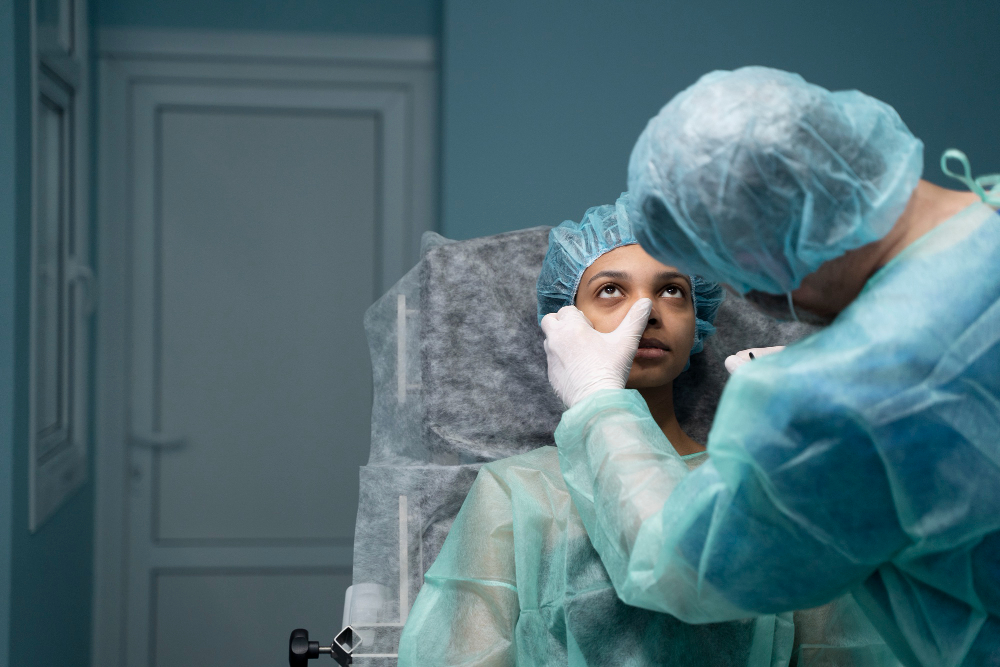
What is FESS?
FESS stands for Functional Endoscopic Sinus Surgery. It is a minimally invasive treatment for chronic sinus disease. Doctors use a thin, flexible tube called an endoscope to see inside your nose and sinuses. Because of this, they can treat blocked or infected areas without making large cuts. FESS helps people who have not found relief from medicines or other treatments. Many people choose FESS because it is less painful and has a shorter recovery time than older methods.
Symptoms and Causes of Chronic Sinus Disease
Chronic sinus disease, also called chronic sinusitis, lasts for 12 weeks or longer. It can make daily life uncomfortable. For example, you might notice these symptoms:
There are many causes of chronic sinusitis. Often, it starts after a cold or allergy flare-up. Sometimes, nasal polyps (small growths) or a deviated septum (crooked nose wall) block the sinuses. In addition, frequent infections or immune system problems can play a role. If you have these symptoms, you should talk to a doctor.
How FESS Works The Procedure Explained
During FESS, the doctor uses an endoscope to look inside your nose. This tool has a tiny camera and light. Because of this, the doctor can see the problem areas clearly. Next, special tools are used to remove blockages, polyps, or infected tissue. The doctor works through your nostrils, so there are no outside cuts. Most people have FESS under general anesthesia, but sometimes local anesthesia is used. The surgery usually takes one to two hours. After the procedure, you can often go home the same day.
Benefits of FESS Compared to Traditional Surgery
FESS offers many benefits over older sinus surgeries. For example, it is less invasive and causes less pain. Here are some key advantages:
Because FESS is precise, doctors can target only the problem areas. This means healthy tissue is left alone. As a result, healing is often faster and easier.
Recovery and Aftercare Tips
After FESS, most people recover quickly. However, it is important to follow your doctor’s advice. Here are some helpful FESS recovery tips:
Most people can return to normal activities within a week. However, heavy exercise should be avoided for a little longer. If you have questions about your recovery, always ask your doctor.
Prevention and Lifestyle Guidance
Even after FESS, you can take steps to keep your sinuses healthy. For example, you can:
Because prevention is key, these habits can help reduce the risk of sinus problems returning.
Frequently Asked Questions about FESS
If you have chronic sinus problems, FESS may help. Consult an ENT specialist Dr. Mrudula to learn if FESS is right for you.