What Are Thyroid Nodules?
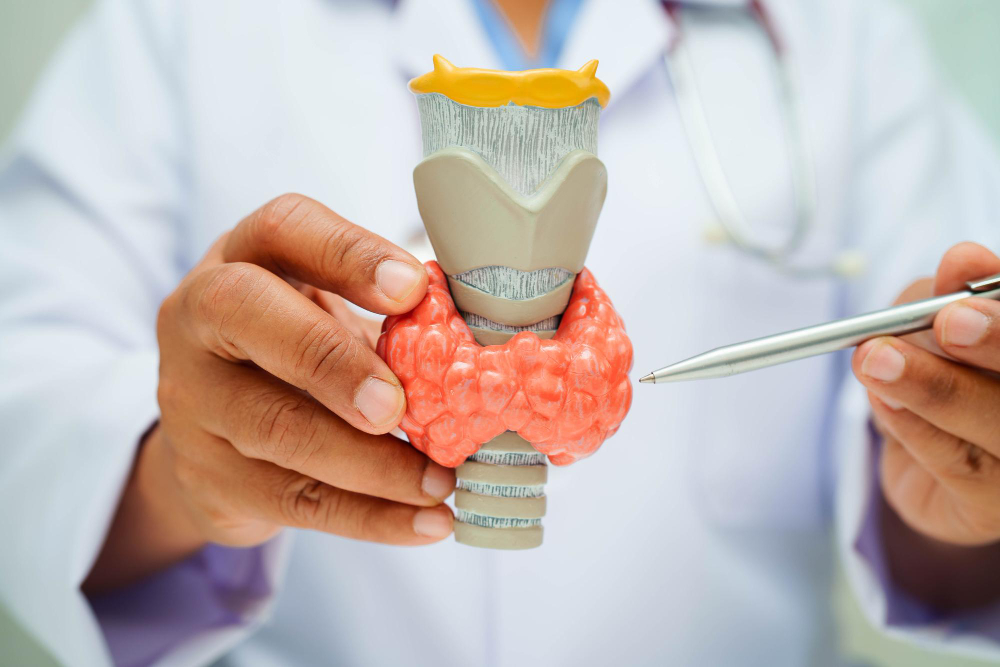
Thyroid nodules are lumps that form in the thyroid gland, which sits at the front of your neck. This gland makes hormones that help control your body’s energy and growth. While most thyroid nodules are not cancer, some can cause problems. In many cases, people do not notice these lumps at first. However, doctors often find them during a checkup or on a scan for another reason. Because thyroid nodules are common, it is important to know what they are and how they may affect your health.
Common Symptoms of Thyroid Nodules
Many people with thyroid nodules have no symptoms. Still, some signs of thyroid nodules can appear, especially if the lump grows larger. For example, you may notice:
Sometimes, thyroid nodules make extra hormones. As a result, you might feel anxious, lose weight, or sweat more than usual. On the other hand, some nodules can slow down hormone production, leading to tiredness or weight gain. Because symptoms can vary, it is important to see a doctor if you notice any changes in your neck or health.
Causes and Risk Factors
Thyroid nodules can form for several reasons. For instance, they may develop from:
Several risk factors can increase your chances of getting thyroid nodules. For example, you may be at higher risk if you:
Although most nodules are not dangerous, it is wise to know your risk factors. That way, you can talk to your doctor about regular checkups if needed.
How Thyroid Nodules Are Diagnosed
Doctors use several steps to diagnose thyroid nodules. First, they will ask about your health and examine your neck. Next, they may order tests to learn more about the lump. Common tests include:
With these tests, doctors can tell if the nodule is likely to be cancer or if it is harmless. Because most thyroid nodules are not cancer, many people only need regular checkups. However, your doctor will explain the best plan for you.
Treatment Options for Thyroid Nodules
Treatment for thyroid nodules depends on the cause and if the lump is causing problems. In many cases, doctors simply watch the nodule with regular checkups. However, if the nodule is large, growing, or making hormones, treatment may be needed. Options include:
If the nodule is cancerous, doctors may suggest surgery and other treatments. Because each case is different, your doctor will help you choose the right option.
Lifestyle Guidance and Prevention Tips
While you cannot always prevent thyroid nodules, some steps may lower your risk. For example, you can:
In addition, keeping a healthy lifestyle supports your thyroid health. If you notice any changes in your neck or have symptoms, consult Dr. Mrudula M. Early diagnosis and care can help manage thyroid nodules well.